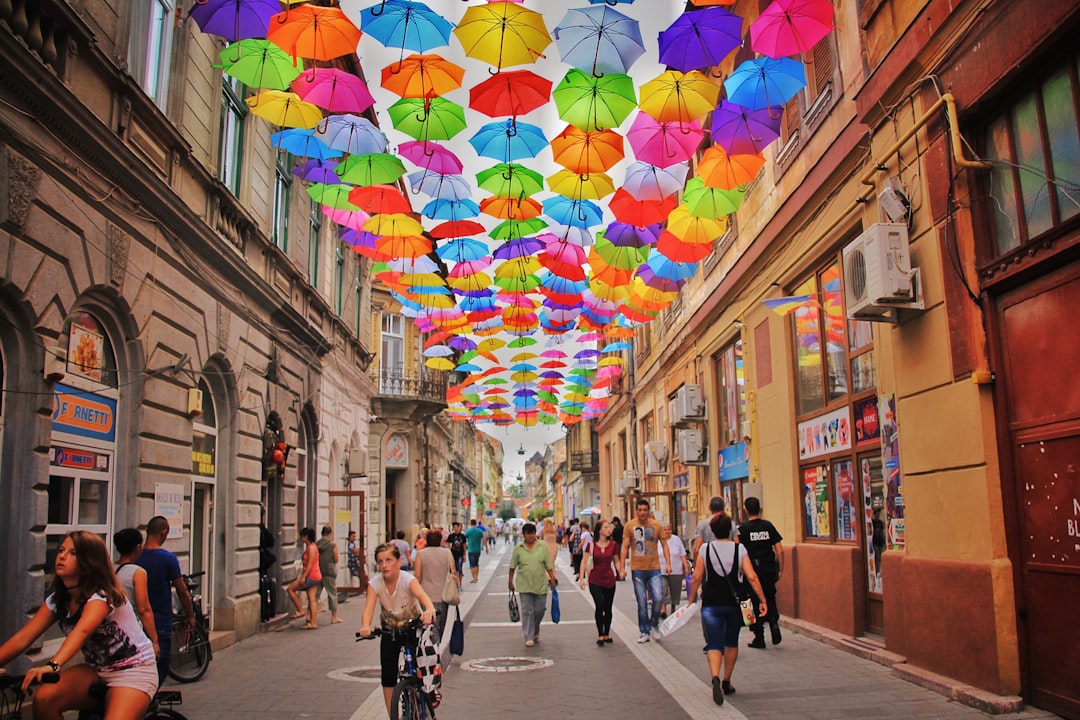
Weathering the Storm: Preparing for Unexpected Weather Changes on Hajj
Comprehensive guide to weather-proofing your Hajj: forecast strategies, packing, health protocols and tech tools for unpredictable conditions.
Hajj is a journey of faith, but it is also a journey through variable climates. Every year pilgrims travel from temperate, tropical, and even polar regions to Mecca and Madinah — two cities with their own microclimates and seasonal quirks. This definitive guide helps you understand local climate patterns, anticipate sudden changes, pack smartly, and build contingency plans so that your focus remains on the ritual, not the weather. Along the way we reference practical tools, smart-packing systems and on-the-ground strategies to make your pilgrimage resilient to surprises.
In this guide you'll find evidence-based planning, gear checklists, step-by-step contingency actions, technology recommendations and real-world examples. For broader travel-tech thinking that improves comfort in unpredictable conditions, see our overview on how wearable tech shapes travel comfort.
1. Understanding the Climate of Mecca and Madinah
Mecca and Madinah share a desert climate, but local differences matter. Mecca lies inland, in a valley surrounded by mountains; temperature swings and winds are influenced by elevation and topography. Madinah is slightly north and often drier at night. Both cities experience intense heat, occasional dust storms, and — increasingly — sudden rain or flash floods in winter months.
Average seasonal statistics are useful baseline indicators: summer highs often exceed 40°C (104°F) with low humidity in the day and a smaller diurnal drop at night; winter can bring cooler nights below 20°C (68°F) and episodic heavy rain. Historic anomalies — such as unseasonal heavy rainfall or rare cooler spells — are rising in frequency due to changing regional weather patterns.
For perspective on how design and environment intersect with weather planning, you can read trend-level thinking about outdoor spaces in future outdoor trends and how designers adapt to shifting climatic expectations.
2. Seasonal Patterns & What They Mean for Pilgrims
Understanding seasonality lets you plan effectively, whether you travel during peak summer Hajj or a cooler winter umrah season. Season-based planning is about probability — knowing what is likely and preparing for exceptions.
Summer (June–September): Expect sustained heat, high solar radiation and the possibility of heat exhaustion. Plan hydration strategies, breathable clothing, and shade access. Add cooling aids and prioritize early-morning rituals when possible.
Winter (December–February): Cooler nights and occasional rain; flash floods are a low-probability but high-impact risk. Choose water-resistant layers and case-sensitive footwear. For practical cooling solutions that can help in crowded, poorly ventilated rooms, check our practical review of portable air-cooler options.
3. Short-Term Risks: Heatwaves, Sandstorms, and Flash Floods
Short-term weather events present the biggest operational risks during Hajj. Heatwaves can be prolonged; sandstorms can reduce visibility and respiratory health; sudden heavy rains lead to water pooling and slippery surfaces. Each has specific mitigation approaches.
Heatwaves: Active hydration, scheduling, and shade. Employers and group leaders should stagger movement and give clear direction for heat-safety protocols. For group logistics and transport planning that help avoid unnecessary exposure, review our guide on using car rental smartly for local exploration which also applies to transit decisions during unpredictable weather.
Sandstorms: Protective eyewear, N95 or equivalent masks, and secure storage for electronics. Keep a small kit with goggles and masks in your daypack. When storms are forecast, reduce outdoor time and prioritize indoor shelter near Haram entrances.
4. Forecasting & Real-Time Weather Intelligence
Short-term forecast access and real-time alerts can change an itinerary safely. Use multiple sources: local meteorological services, global apps, and group communications. Many pilgrims rely on WhatsApp groups for immediate alerts; consider a dedicated weather app as a primary source and social groups for localized confirmation.
For pilgrims using tech to stay ahead of risks, integrating travel tech strategies is invaluable — explore how travel technology is evolving at why AI and travel tech are shifting and how that impacts forecasting tools.
Redundancy matters: store offline maps, a screenshot of evacuation routes, and a contact sheet for your group leader and local embassy/consulate. When power is scarce, solar-charging options (covered later) are critical; learn from solar logistics case studies such as solar cargo integration lessons for practical equipment choices.
5. Packing for Weather: A Practical Checklist
Packing for Hajj must balance ritual-appropriate clothing with pragmatic weather readiness. Prioritize layers, breathable fabrics, rain protection, and compact medical and comfort kits. A smart, lightweight packing system reduces decision fatigue and keeps essentials reachable.
Use an eco-friendly durable bag with compartments to separate wet or dusty items — we recommend sustainable carry solutions discussed in our sustainable duffle guide. Inside, organize by activity (ritual, transit, rest) and by weather (heat, rain, dust kits).
For a tactical look at organizing small daily packs for rapid access to essentials, see our practical steps on smart packing and organizing. Key checklist items: hydration bladder or bottles, electrolyte sachets, wide-brim foldable hat, sun-protective clothing, light rain poncho, compact towel, N95 masks, small first aid kit, blister plasters and a lightweight insulating layer for cooler nights.
6. Clothing, Modesty & Ritual Requirements
Clothing choices must respect Ihram and local custom while protecting against weather. Men in ihram have limited garment options — choose breathable, moisture-wicking fabrics and ensure you can layer underneath when allowed. Women should select layered, loose, breathable garments that provide UV protection and quick-dry properties.
For hijab-wearing pilgrims, style and function combine. Our styling guides provide specific solutions: breathable hijab fabrics, secure pinning methods and sun protection techniques are detailed in hijab styling for every occasion. Prioritize lightweight, high-UPF fabrics and consider an undercap to prevent slippage during wind or activity.
Sun protection for hair and scalp is often overlooked. Research on UV protection in personal care shows products can help; for haircare and UV strategies see UV protection in haircare which offers practical product recommendations.
7. Footwear, Surface Risks & Mobility
Footwear must balance comfort for many hours of standing and walking with traction for wet or slippery surfaces. Sandals that secure the heel and give arch support are a practical choice for many pilgrims, but bring a second pair with better grip for inclement weather.
Plan for blister prevention: pre-treat problem areas, use friction-reducing tapes, and carry blister plasters. For colder nights you may want an insulated sock; for rainy windows, waterproof footwear or protective shoe covers are the difference between continued movement and immobilization by wet socks.
Check local guidance at your accommodation: some hotels and packages include locker and drying facilities. To understand traveler costs and amenities and how they relate to weather preparedness, consult our guide on hospitality business rates and traveler needs.
8. Health and Safety: Hydration, Heat Stroke & Respiratory Care
Heat-related illness is the leading acute weather risk. Prevention is active: schedule, hydrate before thirst, use electrolytes, seek shade during peak sun, and rest. Know the early signs of heat exhaustion (dizziness, headache, nausea) versus heat stroke (confusion, high body temperature), and have an emergency plan with an assigned helper in your group.
Respiratory risks increase during sandstorms or high-particulate days. Use an N95 or comparable mask, keep inhalers accessible for those with asthma, and avoid strenuous outdoor activity during dust events. A small pulse oximeter and thermometer in your travel kit provide quick checks if someone feels unwell.
Mental resilience and stress management reduce risk of poor decisions during weather stress. Practices that enhance calm under pressure — including breathing and grounding exercises — are covered in our resilience story collection: building resilience through real-life yoga lessons.
9. Technology & Tools: From AirTags to Wearables
Technology can be a force-multiplier in an unpredictable environment. Location trackers, offline weather maps, and wearable health monitors help you act quickly and coordinate with group leaders. For luggage and valuables, lightweight tracking such as integrating AirTags into travel offers practical loss-prevention.
Wearable tech — temperature-regulating vests, activity trackers, and smart hydration reminders — reduces cognitive load. See how wearable trends are shaping comfort strategies at the future of wearable travel tech. These tools are particularly useful for group leaders monitoring collective well-being.
Battery life and power continuity matter. Portable solar chargers provide resilience when outlets are scarce; lessons from solar cargo integration show practical design and power choices for remote operations: solar cargo solutions. Combine a reliable battery bank with a modest solar charger to keep phones and trackers operational through long days.
10. Accommodation, Transit & Logistical Strategies
Choosing accommodations and transport with weather in mind reduces exposure. Prioritize hotels with reliable HVAC, covered transfer routes, and contingency staff trained in rapid turnarounds during weather incidents. When booking packages, ask specific questions about weather response and transfer redundancy.
For travelers watching costs while future-proofing travel, read practical strategies in future-proof your travels. Budget travelers can still secure weather-resilient options by prioritizing location and staff responsiveness over surface-level savings.
At scale, transportation hubs may become bottlenecks during storms. Coordinate pick-up points, keep a rolling contact list, and consider smaller runs instead of single mass transfers. If private transit is considered for weather resilience, our car-rental insights are helpful: how local car rental can support exploration and transit.
11. Group & Package Considerations: Vetting for Weather Preparedness
When choosing a Hajj package or group provider, prioritize clear weather contingency plans, multilingual support, and transparent transport and accommodation policies. Ask providers how they handle sudden storms, rerouting, or mass-evacuation scenarios.
Providers who invest in redundant communication systems, staff training, and heat-response protocols reduce the burden on pilgrims. Packaged services should publish their weather protocols and share specific case studies of past responses. For an idea of service-level considerations in hospitality, review our analysis on hospitality business expectations.
Price alone is a misleading metric during weather events. Evaluate total value: response capability, group size, staff-to-pilgrim ratio and flexibility in schedule. When in doubt, ask for references or look for verified reviews focused on safety performance.
12. Emergency Planning: A Simple, Actionable Playbook
Create a three-tier emergency playbook: (A) Immediate actions (first 30 minutes), (B) Short-term actions (next 6 hours), and (C) Recovery actions (24–72 hours). Assign roles: leader, medic, communicator, and logistics point. Keep printed copies of the plan and distribute it to your travel companions.
Immediate actions: find nearest indoor shelter, account for group members, administer first aid for heat or respiratory distress, and conserve water. Short-term: re-route to a safe lodging, notify provider and embassy, and log incident details. Recovery: seek medical follow-up, rebook travel if necessary, and file incident reports with your provider for insurance claims.
Maintain documentation: passport copies, medical prescriptions, vaccination records, and provider contact details in both digital and paper formats. This redundancy reduces risk when connectivity or chargers fail during storms.
13. Mental & Spiritual Preparedness: Staying Centered Under Stress
Weather interruptions are stressful, but they can also be spiritually meaningful if approached with preparedness and patience. Cultivate calm by practicing short breathing exercises and grounding techniques between rituals. These practices are covered in mindful resilience material like our yoga-based resilience lessons.
Plan for downtime: audiobooks of supplication, pre-downloaded lectures, or spiritual readings that help maintain focus when group activities slow. Mental preparedness reduces panic and improves adherence to safety protocols under duress.
Group support matters. Create buddy systems and check-ins. Simple social protocols ensure that vulnerable members (elderly, children, those with chronic conditions) receive priority care during weather events.
14. Case Studies: Real Scenes from Recent Seasons
Case 1 — Heatwave response: A mid-summer Hajj group implemented shaded transfer lanes and scheduled shifts between Tawaf to reduce heat exposure. The outcome: fewer heat-illness incidents and high participant satisfaction.
Case 2 — Unexpected rain: A winter storm led to local flooding. Groups with waterproof layers, rapid-communication channels and nearby alternate lodging were able to move pilgrims within hours. Those without contingency funds faced prolonged delays and discomfort. These real outcomes underline why a modest budget buffer is essential.
Case 3 — Sandstorm: Rapid mask distribution and temporary indoor sheltering reduced respiratory emergencies. Packing a small emergency mask kit proved decisive for older pilgrims. These examples reinforce the simple truth: planning prevents panic.
Pro Tip: Keep a laminated “Weather Action Card” in your neck pouch with three items: emergency contacts (hotel and provider), the nearest indoor shelter, and basic first-aid steps. This card saves time in high-stress moments.
15. Comparative Gear Table: What to Pack for Five Weather Scenarios
| Scenario | Primary Risk | Top 3 Gear Priorities | On-Ground Action |
|---|---|---|---|
| Extreme heat / heatwave | Dehydration, heatstroke | Hydration system, electrolyte sachets, wide-brim hat | Shade rotations, slow pace, medical check-ins |
| Sandstorm | Respiratory irritation, low visibility | N95 masks, goggles, secure storage for electronics | Seek indoor shelter, protect airways, avoid travel |
| Flash rain / flood | Slips, soaked gear, transport disruption | Waterproof poncho, quick-dry socks, sealed bags | Use covered routes, dry wet items, monitor taps |
| Cool night spells | Hypothermia risk for vulnerable | Light insulating layer, warm socks, hot water bottle | Limit outdoor time after sunset, heat common rooms |
| High humidity | Heat stress, fungal skin irritation | Breathable fabrics, antifungal powder, ventilation fan | Increase airflow, change damp clothes, use powder |
16. Frequently Asked Questions
Q1: What is the single most important item to bring for weather unpredictability?
A: A compact hydration system and electrolyte sachets. Hydration addresses the most immediate and common weather-related risk (heat). Combine this with a small emergency kit including an N95 mask and a lightweight poncho.
Q2: Can hotels handle sudden storms and power loss?
A: Reputable hotels have contingency plans, but capabilities vary. When comparing accommodations, look beyond price to services and contingency capacity; read our guide on hospitality expectations at hospitality business rates and traveler needs.
Q3: Are electronic trackers (AirTags) allowed in luggage during Hajj?
A: Yes, personal trackers are generally allowed and can reduce lost-item stress. Read our practical integration tips in AirTags integration for travel. Ensure batteries comply with airline regulations.
Q4: How much extra budget should I set aside for weather-related contingencies?
A: A conservative buffer of 10–20% of your package cost is prudent. This covers alternate lodging, private transfers, or medical care if disrupted. Cost-conscious travelers can use future-proof strategies in budget travel planning.
Q5: How can I keep medications safe during sandstorms or heavy rain?
A: Store essential meds in sealed zip bags and carry them in your daypack. For longer trips, duplicate prescriptions and keep a list of generic names. If refrigeration is needed, check hotel or provider capabilities in advance.
17. Final Checklist & Last-Minute Reminders
One week before departure: confirm weather trends, print document copies, assemble your laminated Weather Action Card, and label your daypack with emergency contacts. Two days before: test power banks and chargers, place essential meds in carry-on, and review group contingency assignments.
At departure: wear your most protective sun gear on travel days, keep hydration accessible, and have your compact rainproof poncho ready. Keep a modest emergency fund in local currency and ensure your phone has at least two emergency contact numbers saved and written on paper.
For final packing inspiration and fashion-forward rainy solutions that remain functional during pilgrimage, see our guide to fashionable rainy-day essentials and choose items that balance modesty with protection.
Conclusion
Weather surprises are inevitable, but the impact of those surprises is manageable. With layered planning, smart packing, and a focus on hydration and communication, pilgrims can navigate heat, dust, rain and unexpected cold while preserving the sanctity and intentions of the Hajj. Use technology judiciously — from AirTags to wearables — and prioritize providers who prove they can act when forecasts change.
This guide connected practical gear and behavioral tactics with systems-level thinking about transport, accommodation, and group design. For those who want to refine packing and comfort through wearable tech and solar resilience strategies, review our pieces on wearables and solar power integration.
Finally, remember the spiritual core of the pilgrimage: preparedness is a practical expression of care for yourself and others — and it keeps the heart and mind open to the journey ahead.
Related Reading
- Sustainable Duffles - Choosing eco-friendly luggage that endures unpredictable travel conditions.
- Smart Packing - Systems for organizing a daypack to respond instantly to weather changes.
- AirTags for Travel - Practical steps to integrate tracking tech into your pilgrimage gear.
- Haircare & UV - Protecting hair and scalp under intense sun exposure without compromising modesty.
- Resilience Lessons - Short practices to maintain calm, reduce stress and manage heat-related anxiety.
Related Topics
Imran Al-Amin
Senior Travel Editor & Hajj Logistics Specialist
Senior editor and content strategist. Writing about technology, design, and the future of digital media. Follow along for deep dives into the industry's moving parts.
Up Next
More stories handpicked for you
Watch Out for Scams: Protecting Yourself During Hajj
What to Do if You Get Injured During Hajj: Health Insights from Athletes

Netflix and Take Off: In-flight Movie Recommendations for Hajj Travelers

Extreme-Environment Travel Lessons: What Antarctica’s Ice-Free Regions Teach Us About Better Outdoor Planning
The Essential Gear for Hajj: Technology for Health and Safety on Your Journey
From Our Network
Trending stories across our publication group

Tech Meets Tourism: How Smart Travel Gadgets Are Changing the Way We Experience Croatia

Weather & Timing: Practical Tips for Seasonal Super Bowl Trips

The Great I.P.O. Boom: What Attraction Owners Can Learn from Upcoming Mega Listings

Writing the Perfect Travel Itinerary: Tools for Adventurers

Live Ferry Travel During Disruption: What Passengers Should Check Before Heading to the Terminal